Last updated:
A good educational coloring book for ages 4 to 8 has big, bold outlines small hands can manage, a short real fact on each page, single-sided pages so markers don't ruin the next picture, and a theme your child already loves, such as animals, dinosaurs, or the ocean.
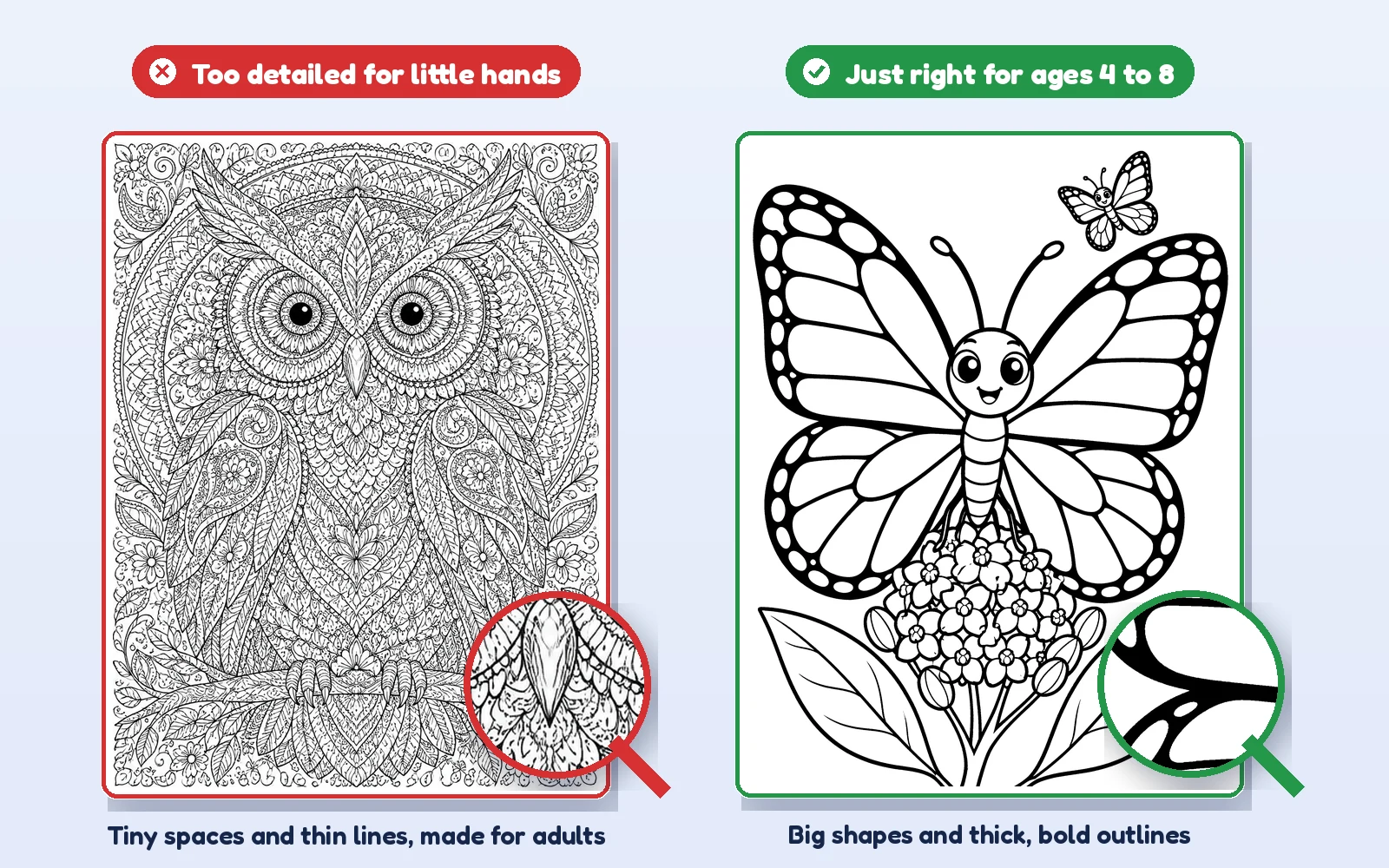
- Big, bold, simple outlines (not tiny, detailed patterns made for adults)
Tiny patterns made for adults, next to big, bold outlines made for ages 4 to 8.
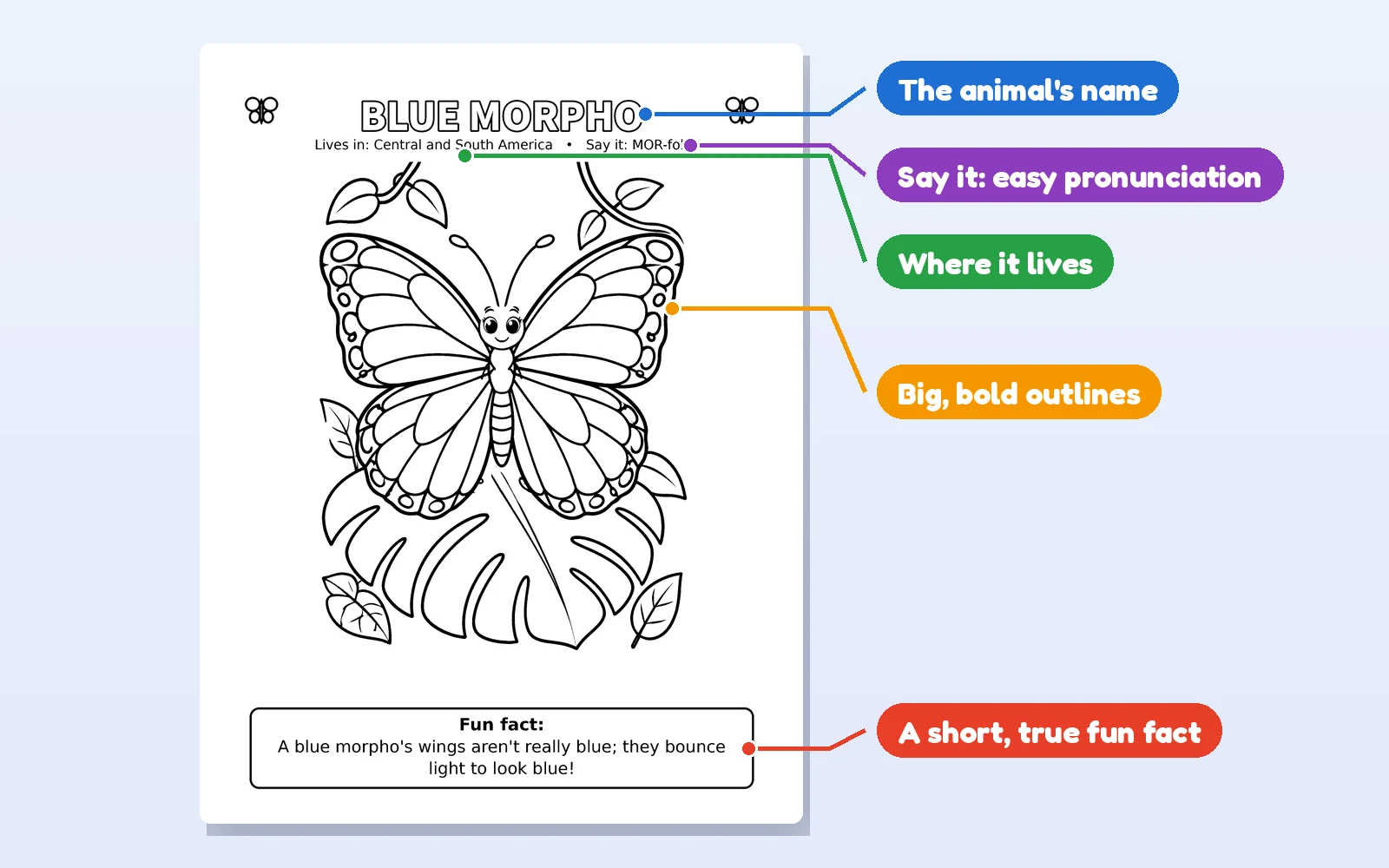
- A short, true fact on every page that a grown-up can read aloud
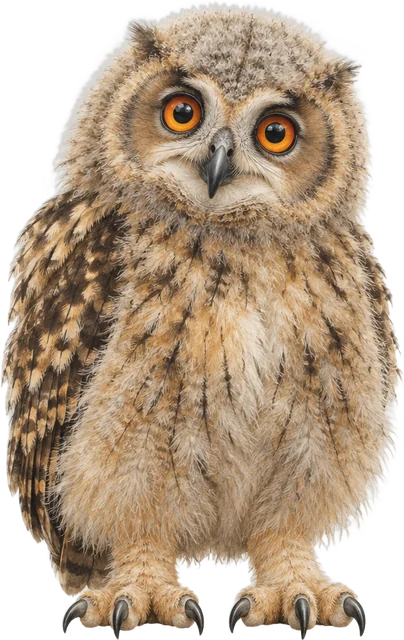
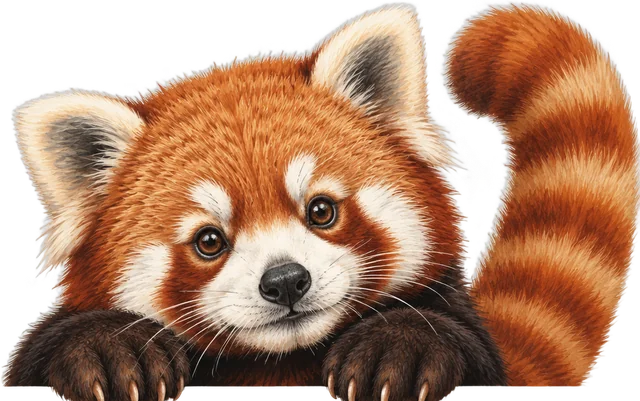
Every page names the animal, where it lives and how to say it, plus a short, true fact.
- One picture per page, printed single-sided
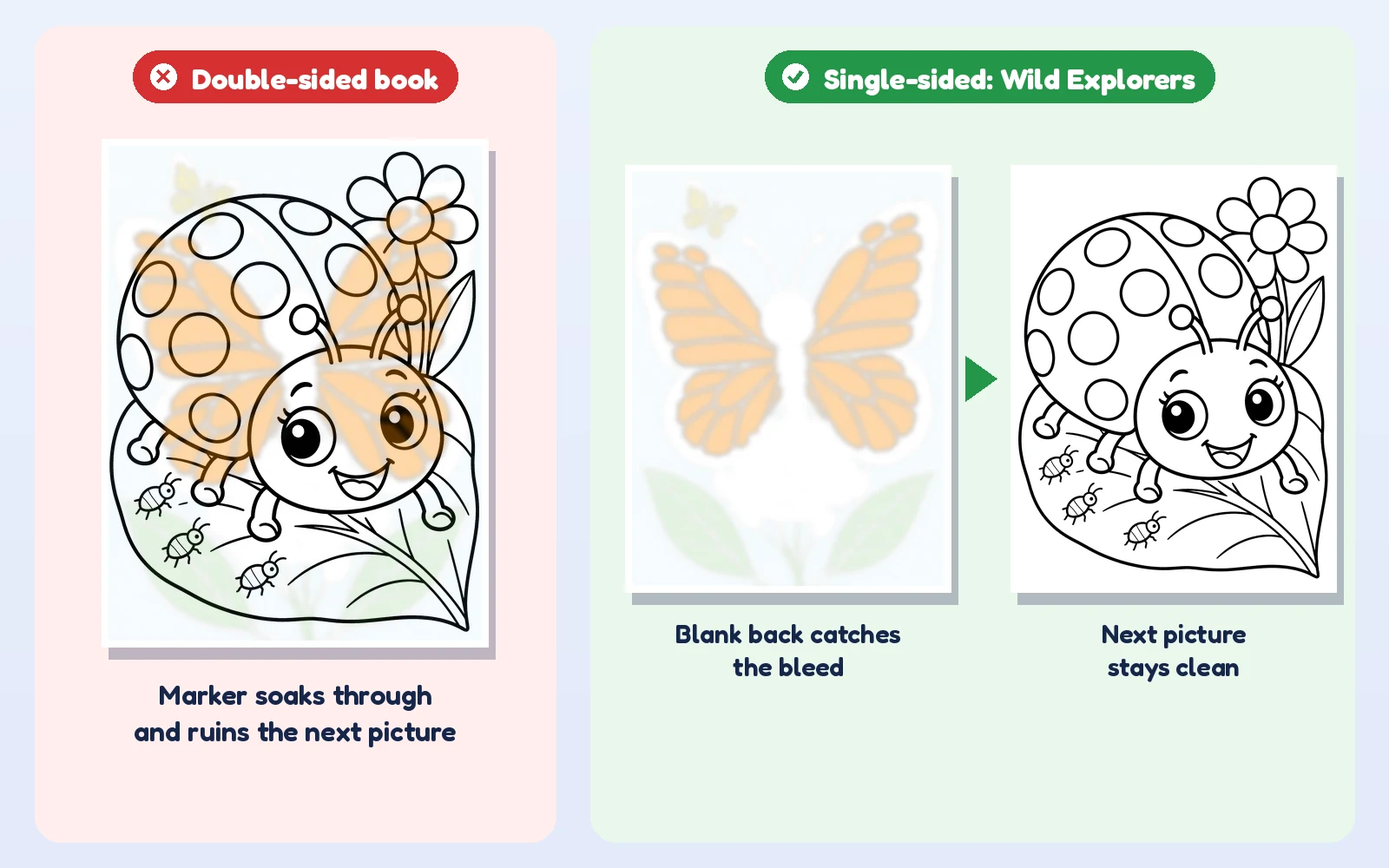
Double-sided: marker bleeds into the next picture. Single-sided: it lands on a blank back.
- A clear theme that matches what your child is curious about
Each book groups its animals by habitat or theme.
 Animals of the World: see the coloring bookOcean Animals: see the coloring bookDinosaurs: see the coloring bookChristmas Animals: see the coloring bookBirds of the World: see the coloring bookRainforest and Jungle: see the coloring bookFarm Animals: see the coloring bookBugs and Butterflies: see the coloring book
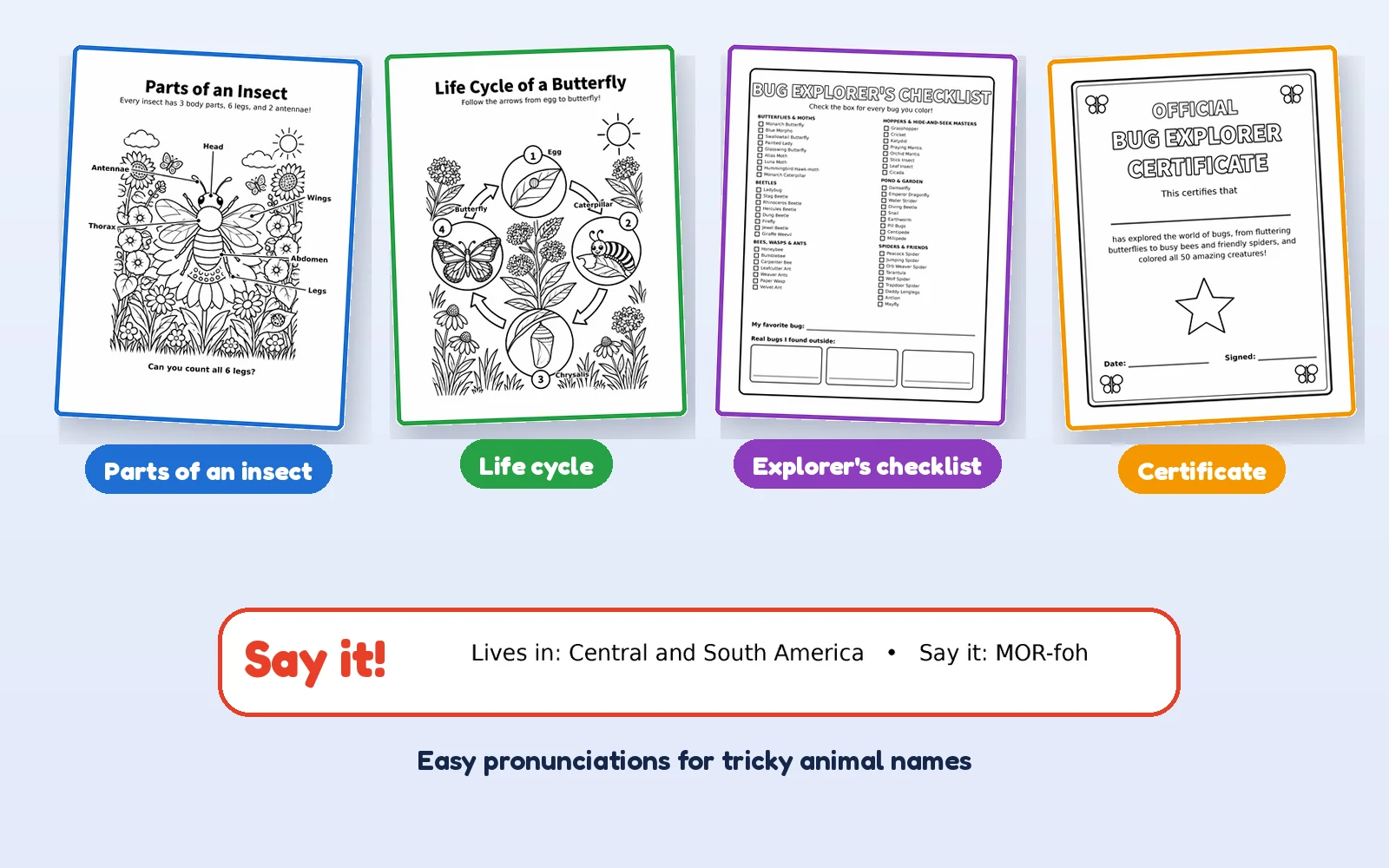
- Extras that teach, like maps, name pronunciations, or a checklist
Bonus pages that teach: insect parts, a life cycle, a checklist, a certificate and pronunciations.
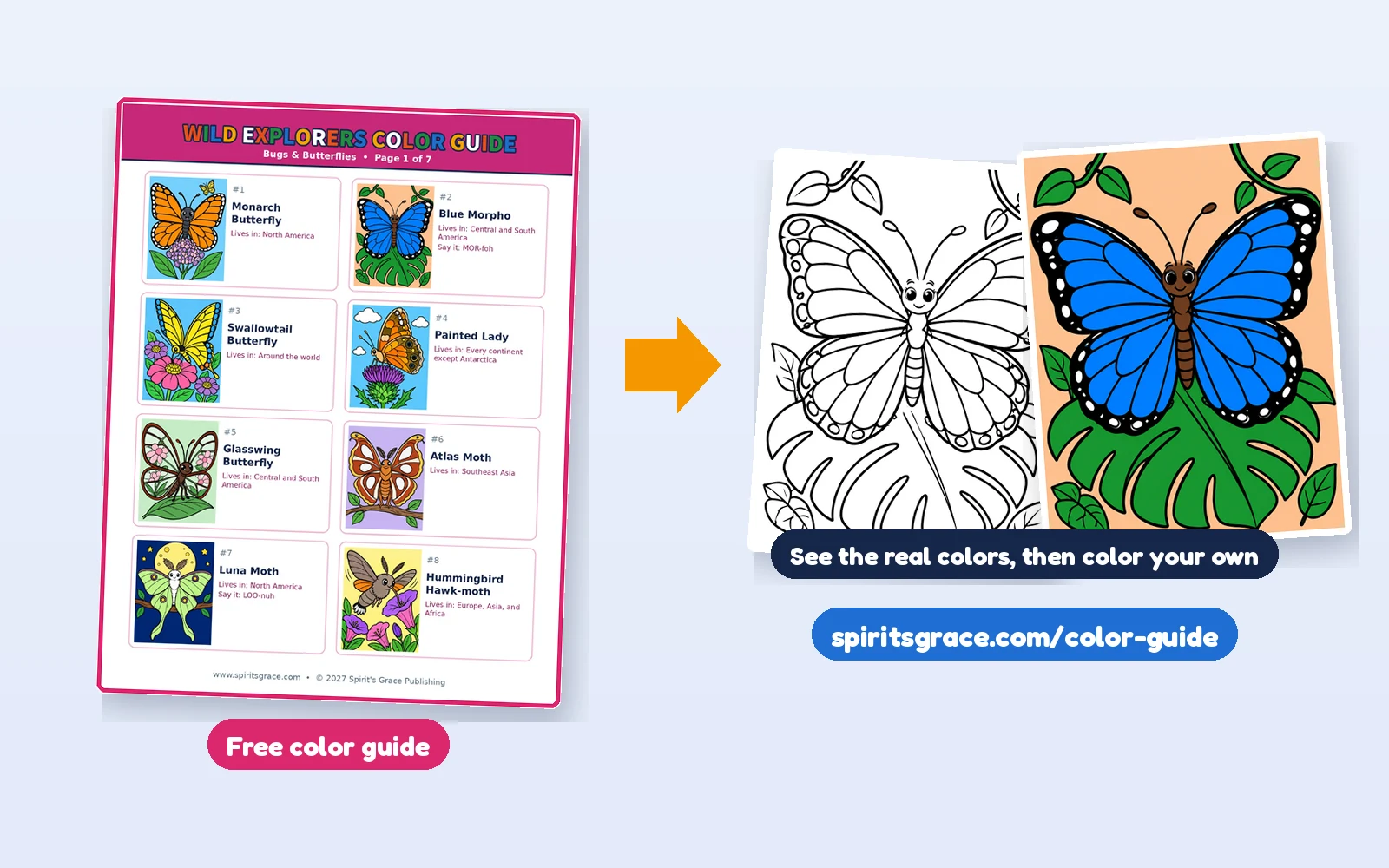
- A color reference (a guide or sample page) for kids who want "real" colors
The free color guide shows each animal's real colors.
Full disclosure: we publish the Wild Explorers coloring books, so we use them as examples below. Plenty of other publishers make good books too. Whatever you choose, the checklist works for any coloring book.
Every book has 50 animals, one per single-sided 8.5 × 11 inch page, a fun fact on every page, and a free online color guide. Visit your local Amazon shop for the current price.
| Book | What it teaches | Animals include | Learning extras |
|---|---|---|---|
| Animals of the World | 7 habitats around the world | lions, octopuses, sloths, koalas | World map, draw-your-own-animal page, certificate |
| Ocean Animals | 6 ocean zones | orcas, anglerfish, sea otters, puffins | Ocean Zones page, explorer checklist, certificate |
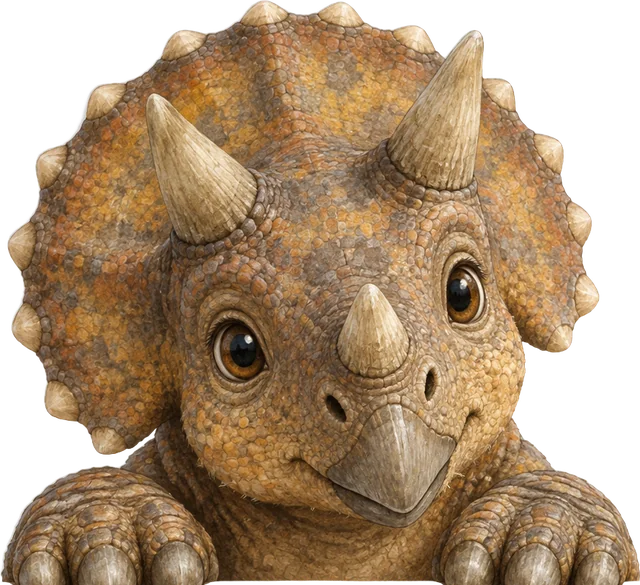
| Dinosaurs | Triassic to Cretaceous, plus sky and sea reptiles | Stegosaurus, Triceratops, T. rex, Pteranodon | "Say it!" pronunciation for every name |
| Christmas Animals | North Pole to cozy pets | reindeer, cardinals, puppies, penguins | Letter to Santa, gift tags |
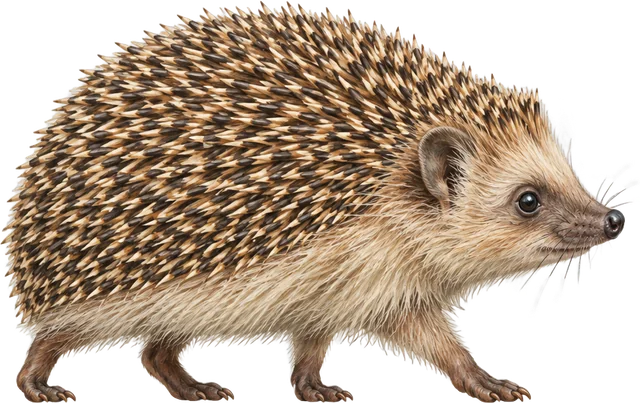
| Birds of the World | 6 bird groups | macaws, shoebills, peacocks, barn owls | "Lives in" lines, Parts of a Bird, bird-watching pages |
| Rainforest & Jungle | 6 rainforest groups | tarsiers, glass frogs, okapis, tigers | "Lives in" lines, "Say it" help |
| Farm Animals | 6 farm groups | Highland cows, piglets, roosters, sheepdogs | "Lives in" lines, "Say it" help, matching page |
| Bugs & Butterflies | 6 bug groups | monarch butterflies, ladybugs, praying mantises, jumping spiders | "Lives in" lines, "Say it" help, insect and life-cycle pages |
Are coloring books educational?
They can be. Coloring builds hand control and focus on its own, and books that add a short fact to each page also build vocabulary and curiosity about the world.
What should a 4-year-old's coloring book look like?
Look for thick outlines, large shapes, and not too much detail. Four-year-olds are still building hand control, so big areas to fill are more fun and less frustrating.
How long should the fun facts be?
One or two short sentences is plenty. Kids ages 4 to 8 remember a single surprising fact better than a paragraph.
Are crayons or markers better for this age?
Both work. Crayons are easier for younger kids to control, while markers give bright color with less pressure. If you use markers, choose a book with single-sided pages.
